Aren's Top 10 Films of 2025
1. One Battle After Another (dir. Paul Thomas Anderson)
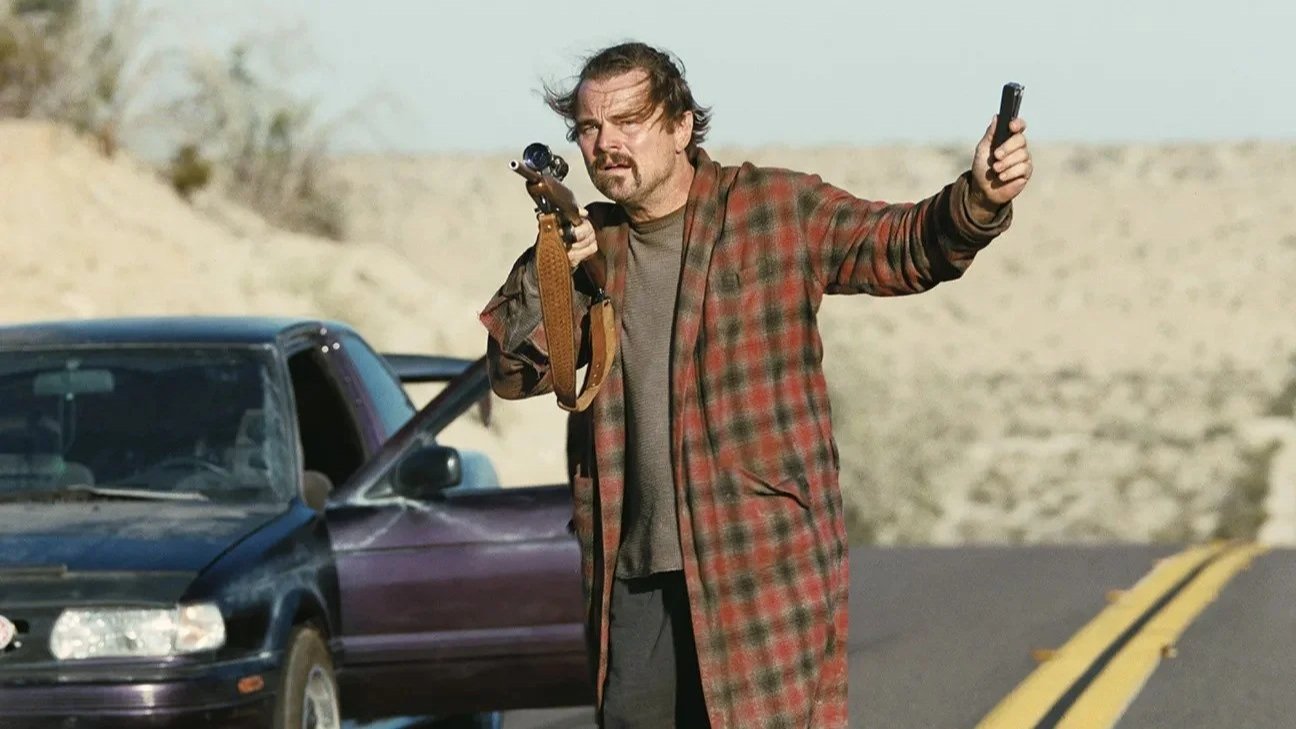
This is the rare year where I’m in lock-step with the consensus. One Battle After Another is the movie of the year, as well as the most riveting and enjoyable time I had at the movies. In adapting Thomas Pynchon’s Vineland and updating it to the present day, Paul Thomas Anderson has crafted a movie that speaks directly to the fractious political reality of 2025. But more than that, he’s made a remarkably tense and funny action thriller that shows that he can master genre entertainment in addition to making provocative American dramas.
2. Shifty: Living in Britain at the End of the Twentieth Century (dir. Adam Curtis)
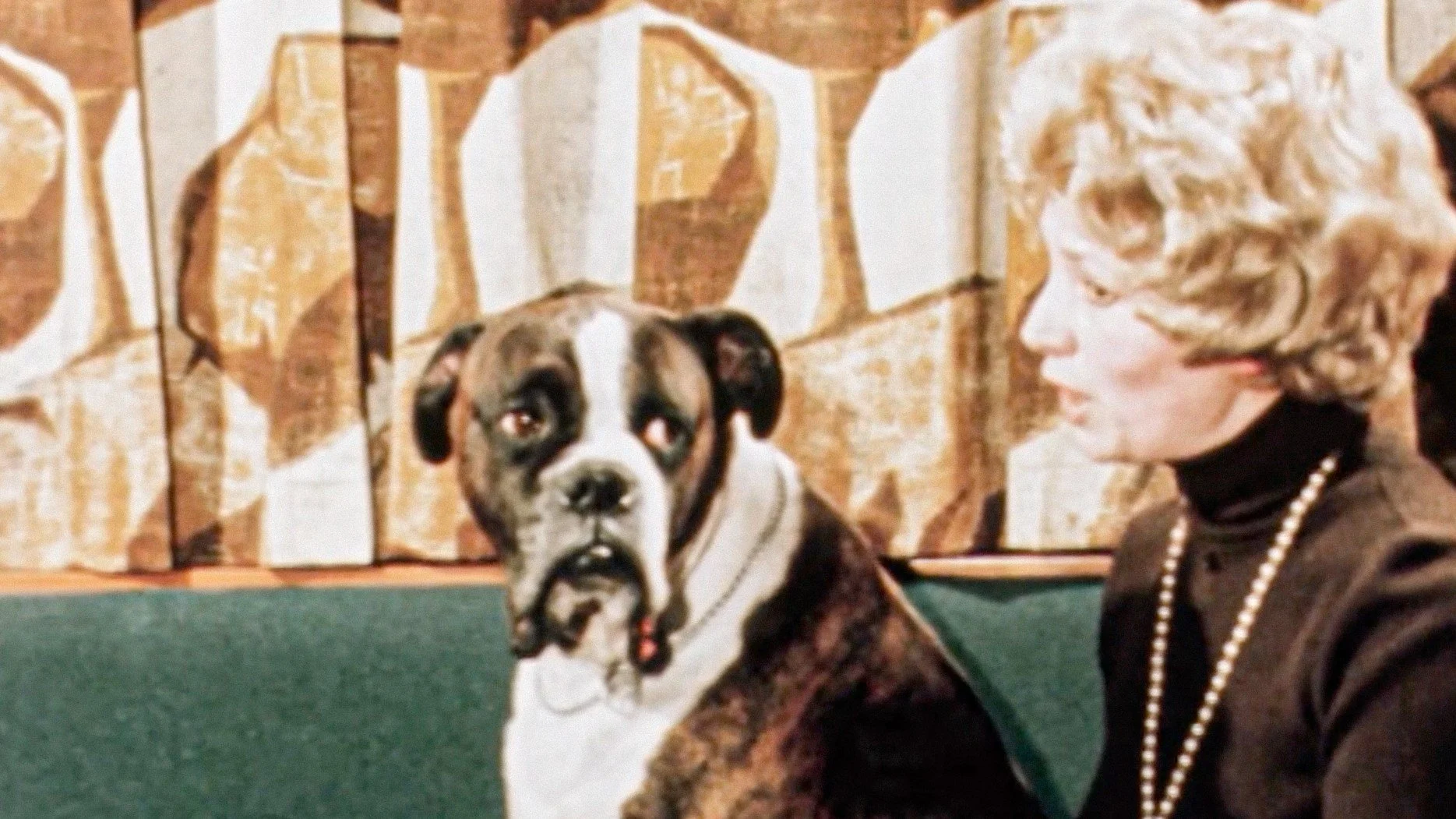
Adam Curtis returns to the setting of his early work, focusing on the disintegration of the British Empire in the late 20th century, while using many of the approaches of his more recent work, notably Russia 1985–1999: TraumaZone (2022). Once again foregoing his voiceover narration, Curtis forces us to pay careful attention to the remarkable footage that he’s assembled. Ultimately, the film shows how Margaret Thatcher and Tony Blair attempted to revitalize British industry and a sense of national meaning only to end up finalizing the sell-off of the once-great nation. This five-part, six hour documentary is provocative, hilarious, informative, and above all, incisive about the world we occupy, whether we’re British or not.
3. Marty Supreme (dir. Josh Safdie)
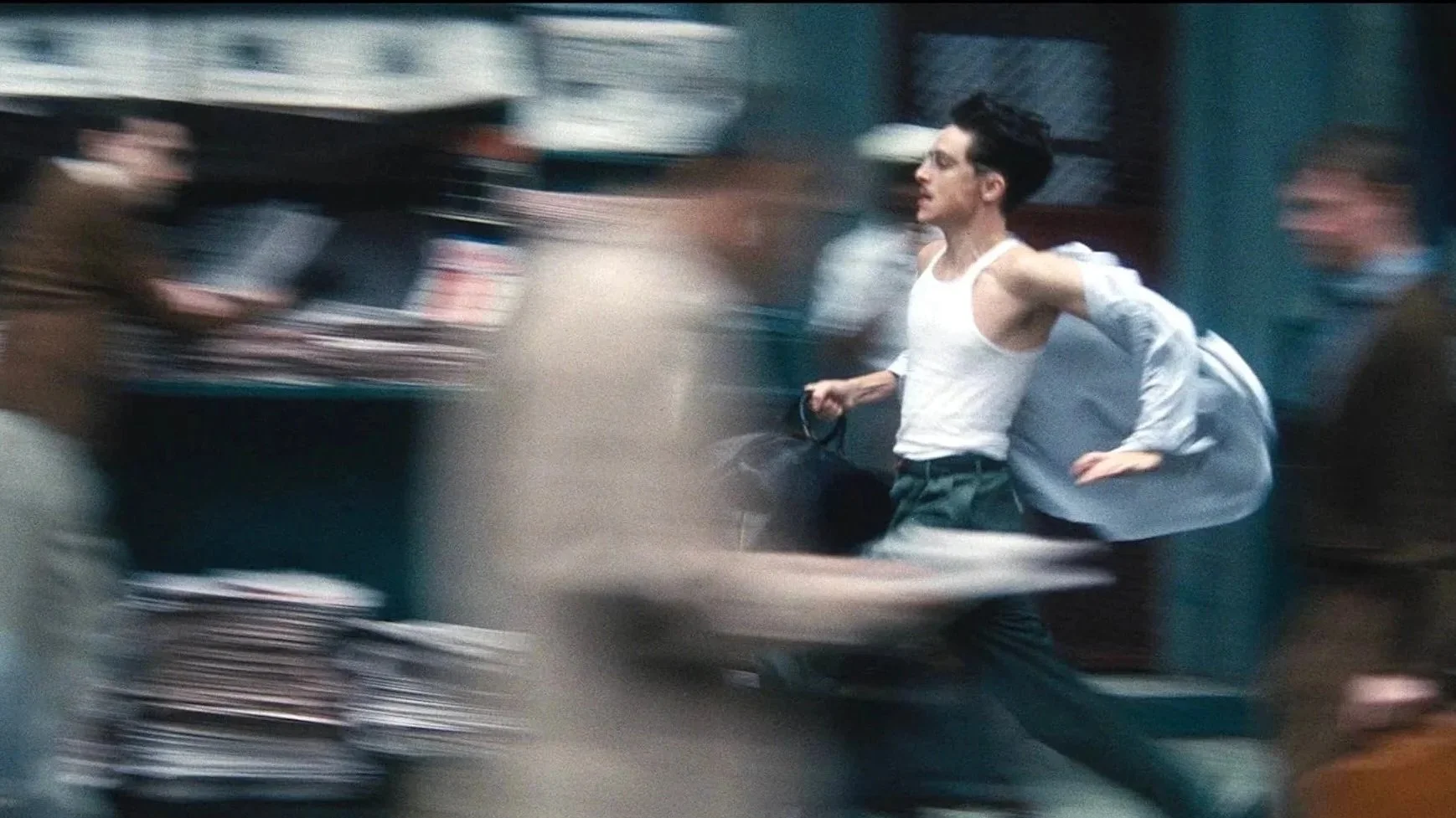
What a hoot from first to last frame. Josh Safdie teams with Timothée Chalamet to craft a movie about insatiable American ambition. Using the sports movie as its generic frame, Marty Supreme is a rush of tense set pieces, charismatic, frenzied performances, and hilarious detours that gets your heart racing until you think you’re going to have a heart attack. But even more than Uncut Gems or Good Time, Marty Supreme balances the anxiety with genuine pathos and thrills, largely thanks to an all-timer performance from Chalamet as the American Dream personified.
4. Eephus (dir. Carson Lund)
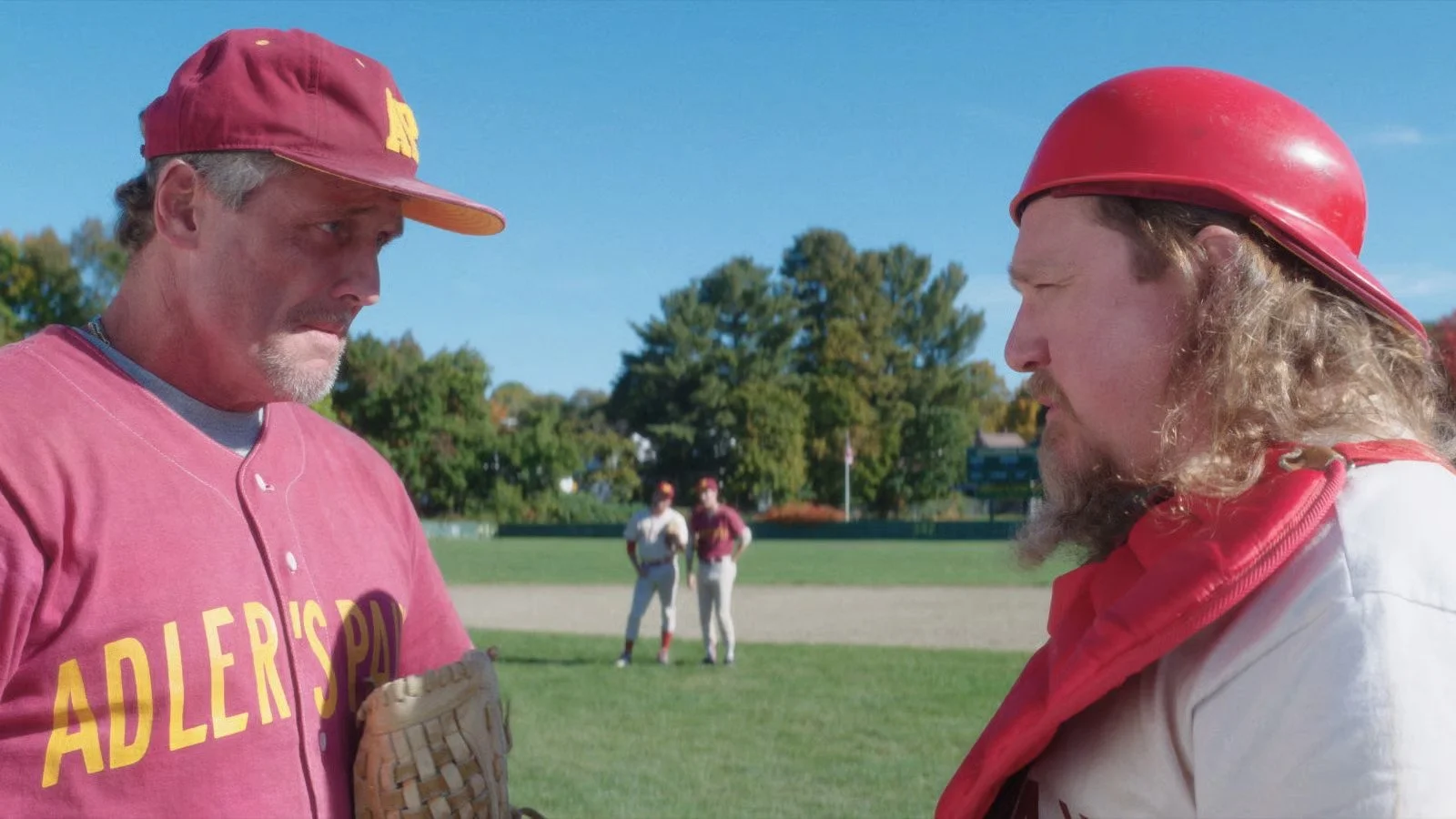
An elegy for ordinary lives that uses baseball as the grand metaphor for our battle against the slow march of time. Carson Lund’s debut feature is wonderfully precise, but so subtle that its power might go unnoticed for viewers not attuned to art cinema rhythms or the deeper implications of baseball within the American imagination. It essentially has no plot as we simply watch two recreational baseball teams face off on a ball diamond set for destruction and attempt to extend the game as long as they can in a bid to halt the cruel end that awaits us all. An American Goodbye, Dragon Inn (2003) set on a baseball diamond.
5. It Was Just an Accident (dir. Jafar Panahi)
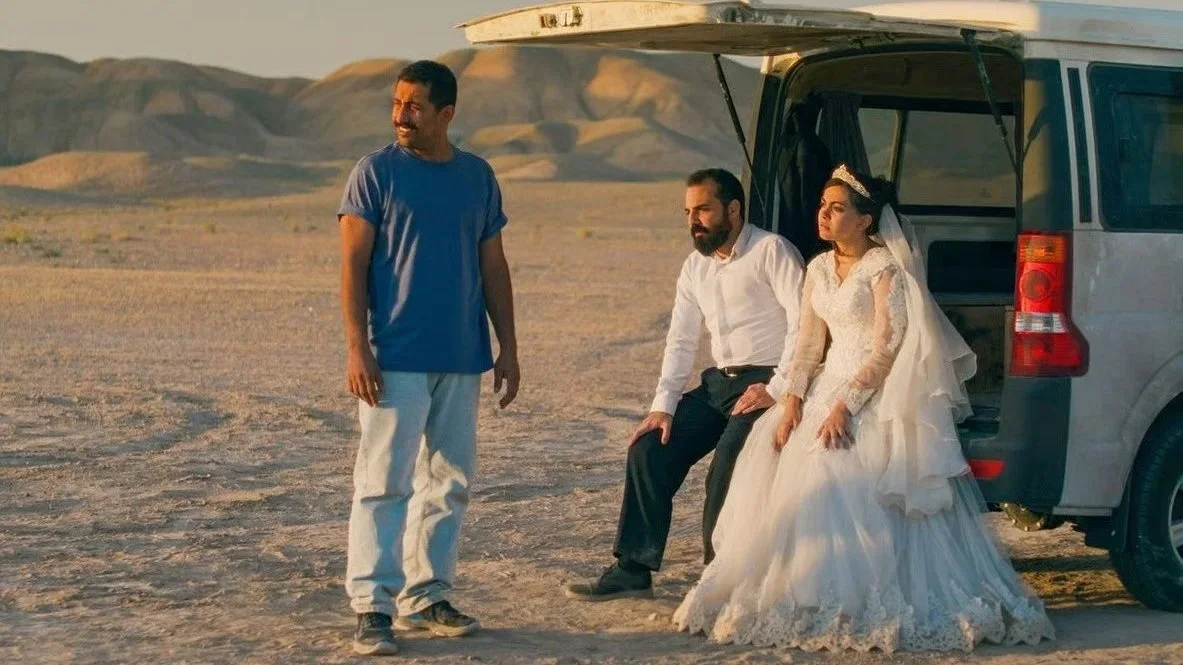
The year’s most politically charged and angry film happens to also be a great drama with fascinating characters and a riveting narrative. Jafar Panahi’s indictment of the Iranian regime, which is currently straining under the weight of massive protests, allows him to air his rage at the government’s abuses of its people, himself included. But Panahi is not blinded by rage. Rather, he examines the very real question of whether revenge is ever justified and comes to a remarkable, but thorny, conclusion. The final frame is an all-timer.
6. Avatar: Fire and Ash (dir. James Cameron)
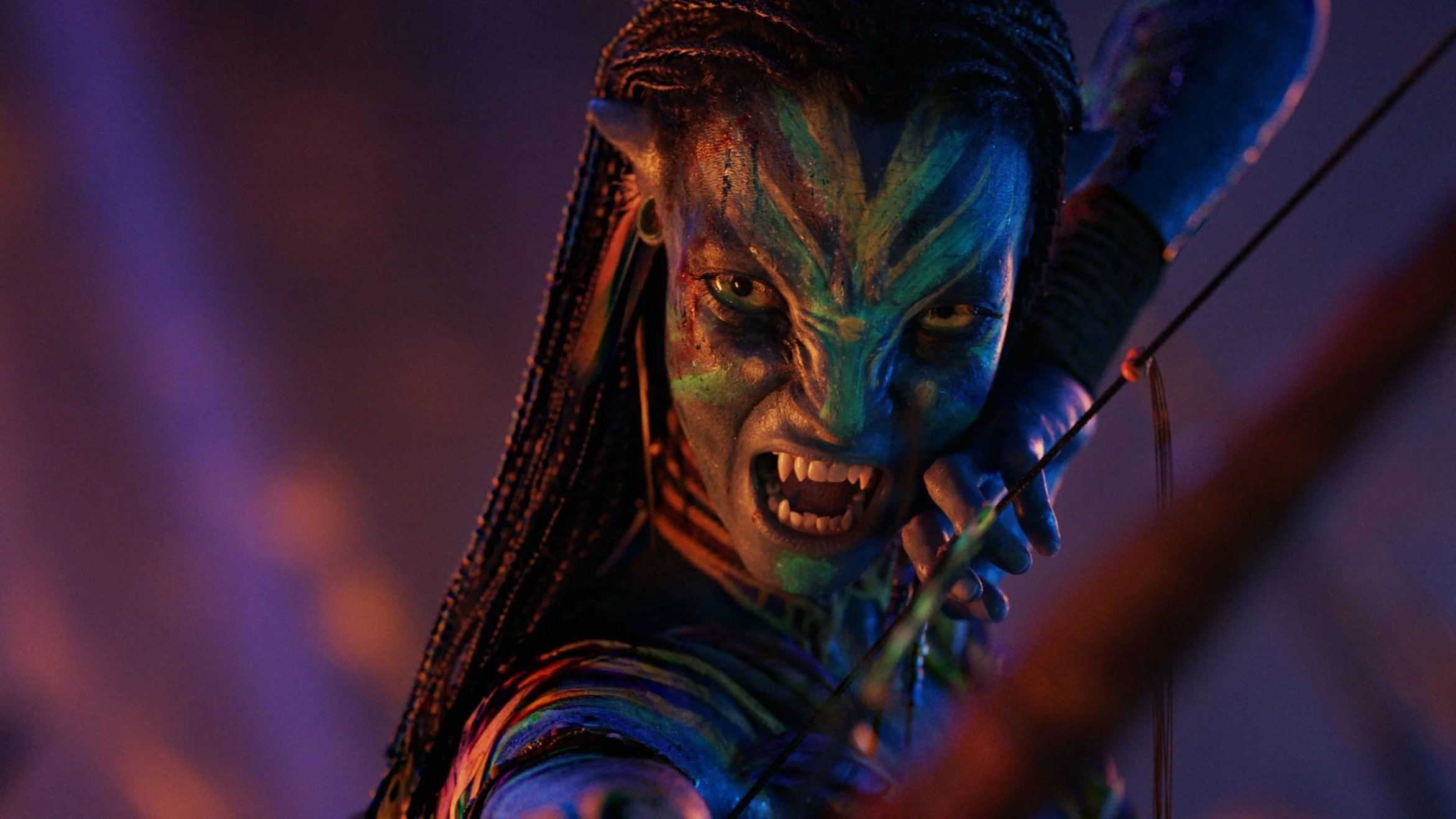
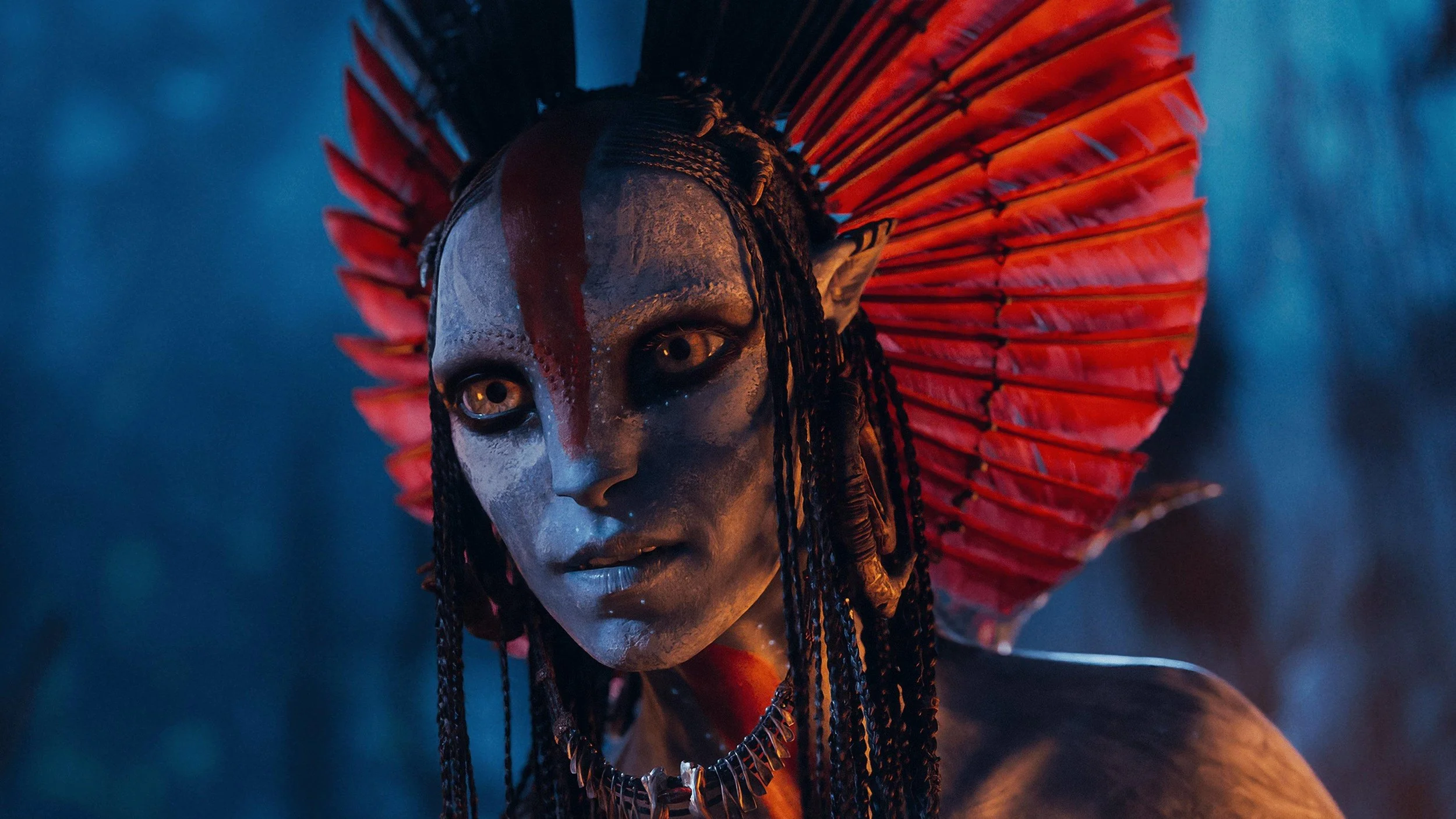
James Cameron makes his Return of the Jedi in this third Avatar picture that showcases the depth of the characters and the gargantuan scale of the set pieces, which are unmatched in Hollywood science fiction and fantasy (Dune excluded). For a movie that runs three hours and 17 minutes, Fire and Ash is remarkably gripping from beginning to end. Cameron also complicates the binaries of his storyworld and deepens the characters by examining their own self-loathing and the impossible choices they face. This is beautiful, enthralling, often moving blockbuster filmmaking. It makes me hope I can return to Pandora once again.
7. The Shrouds (dir. David Cronenberg)
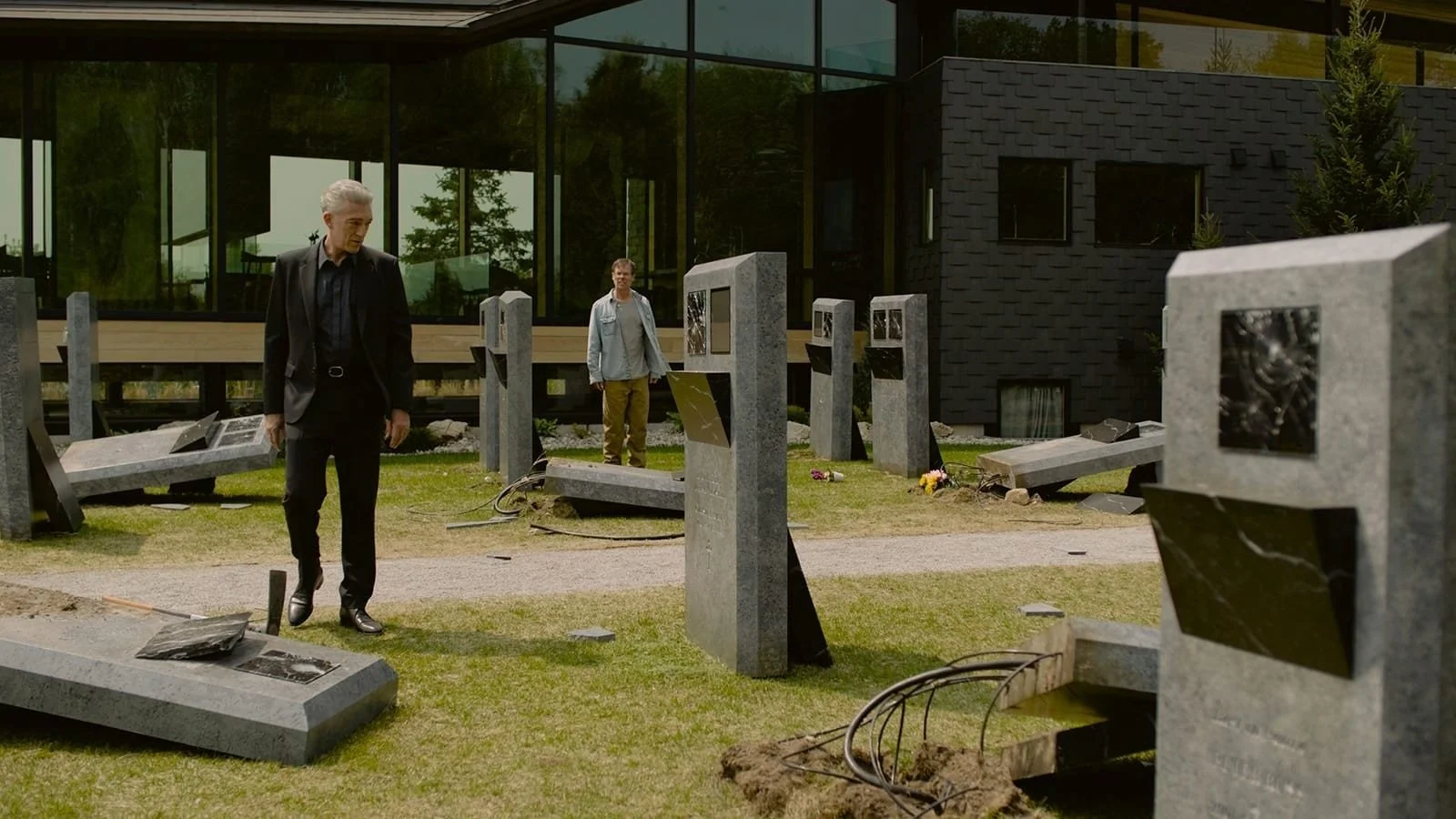
David Cronenberg examines the loss of a loved one in a way only he can. Channelling his own grief over the loss of his wife in 2017, Cronenberg crafts a conspiracy theory thriller that’s really about the ways that the loss of a spouse can feel like the pain of a lost limb. The Shrouds is true “late style,” with an arch tone, odd narrative digressions, and a stilted visual style, but it’s also hilarious and utterly heartfelt in the pain on display. Cronenberg has made me think about the death of a loved one in an entirely new way, which is remarkable.
8. Cloud (dir. Kiyoshi Kurosawa)
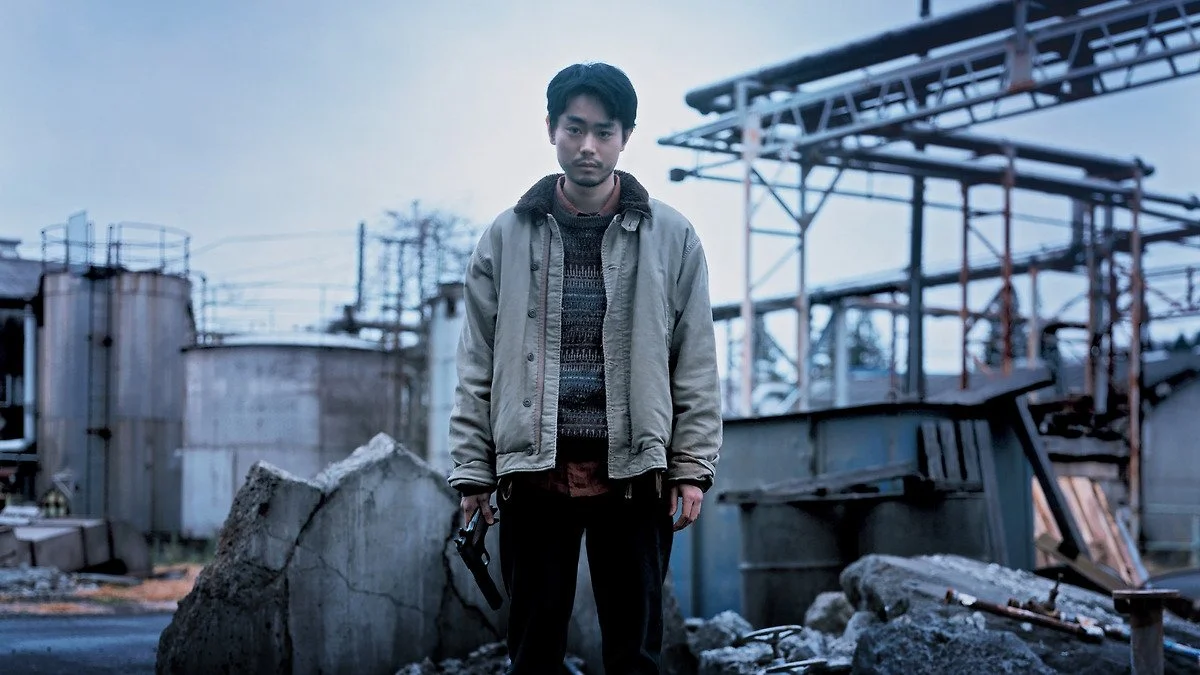
Cloud is the Japanese master’s pitch black thriller about the consequences of unfettered greed in our online capitalist economy. The first half is an examination of how the mere desire for more leads a person to make increasingly callous economic decisions at the expense of everyone around them. The second half shows the bill coming due as the people affected try to get revenge on the man who screwed them over. I never expected Kurosawa to be a great action director but the climactic shootout of Cloud is thrilling, with a blistering impact that recalls the best of Michael Mann.
9. 28 Years Later (dir. Danny Boyle)
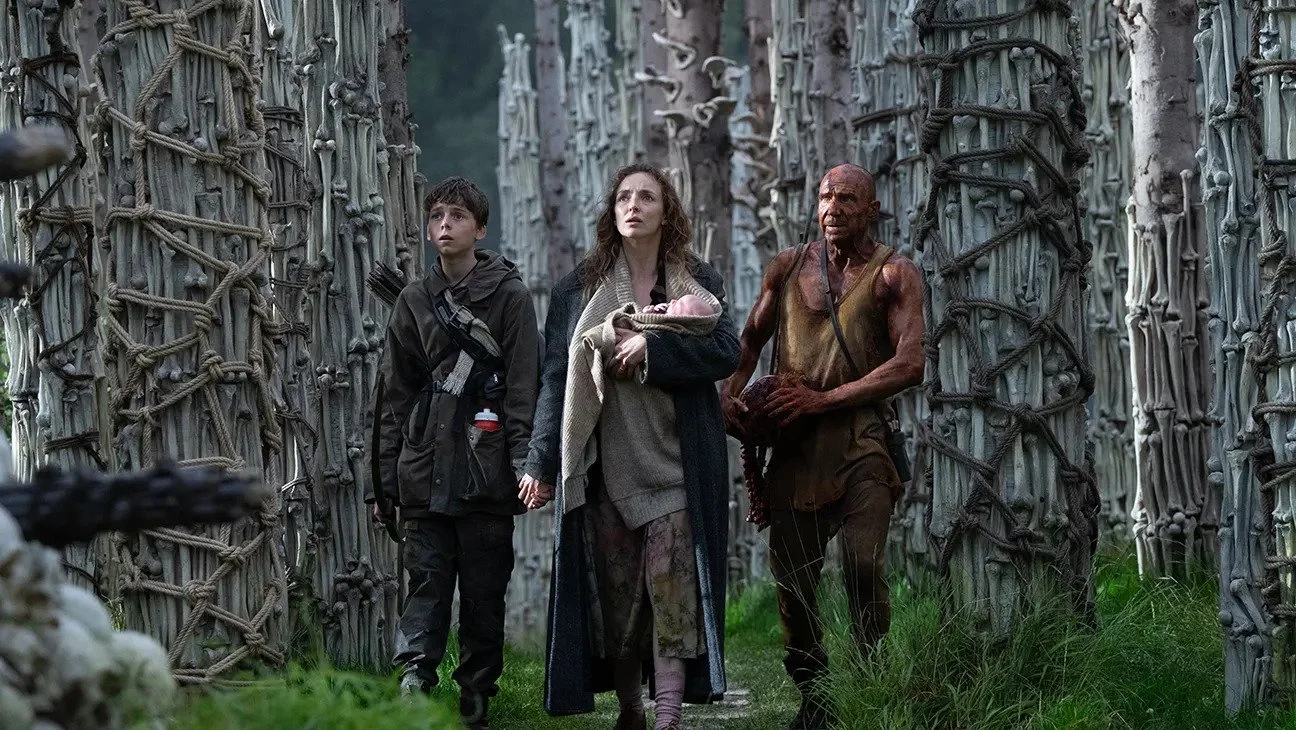
Danny Boyle and Alex Garland return to the world of 28 Days Later and make one of the best late sequels of recent years. 28 Years Later expands this post-apocalyptic world in fascinating ways. It’s also a touching coming-of-age story following Alfie Williams’ Spike as he learns to become a man (even if it’s not in the way envisioned by his father, played by Aaron Taylor-Johnson). Gripping, visually innovative, inventively edited, and perceptive about British culture, 28 Years Later is a surprising triumph.
10. Secret Mall Apartment (dir. Jeremy Workman)
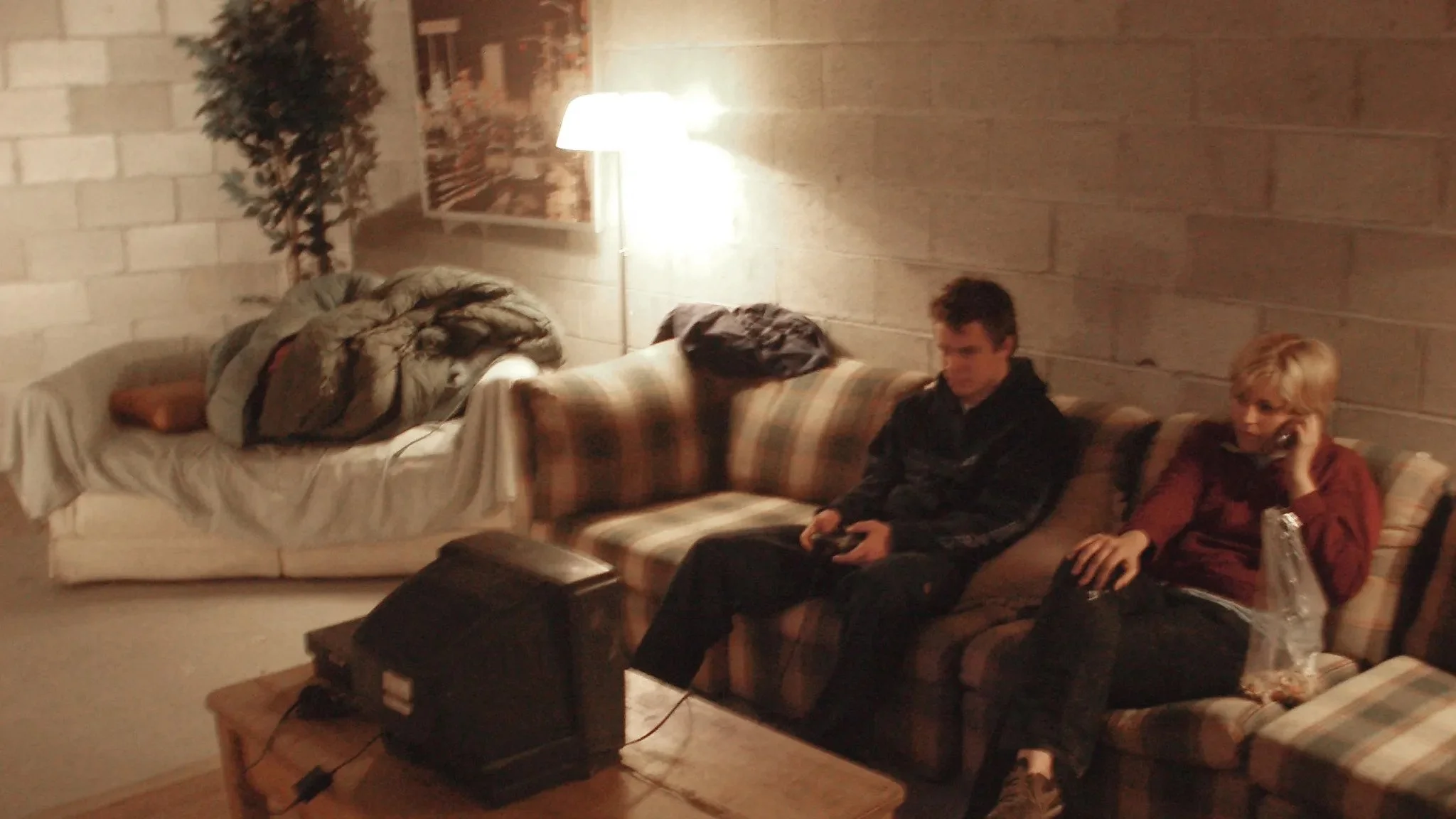
What is the value of the art we make? I’ve pondered this often in the time since watching Secret Mall Apartment, which tells the story of a high-concept art project in Providence, Rhode Island, where an artist collective illegally built an apartment in an empty space they found in the bowels of a mega mall in 2003. But the movie isn’t really about the apartment. Rather, it’s about these artists, their passions, and how they used this liminal space as a place to reflect and craft an artistic approach to other projects that made meaningful impacts on the lives of others, even if it never brought them fame, fortune, or glory.
Honourable Mentions
Friendship (dir. Andrew DeYoung)
The Naked Gun (dir. Akiva Schaffer)
No Other Choice (dir. Park Chan-wook)
Sinners (dir. Ryan Coogler)
Wake Up Dead Man (dir. Rian Johnson)
Read More Articles

Anton and Aren debate whether William Wyler’s 1939 version of Wuthering Heights is the definitive adaptation of the book.